Swift Cars & Mayflower Car Services are standing together to support our Billericay residents…
Download the Swift or Mayflower Apps today
Two local names you can trust, joining forces for the town we love….
Billericay has a surprisingly rich history that spans thousands of years, evolving from an ancient woodland settlement into a bustling medieval staging post and modern town.
Ancient & Roman Beginnings
Human occupation in the area dates back to the Bronze and Iron Ages, with ancient burial mounds still visible today in Norsey Wood. When the Romans invaded, they established a presence on the high ground where Billericay School now stands. Excavations have unearthed Roman pottery, burial sites, and coins dating back to AD 69, alongside remnants suggesting a small Roman cavalry fort once stood at Blunts Wall Farm.
Medieval Growth and the Peasants' Revolt
The town wasn't mentioned in the Domesday Book of 1086 because it was originally a small subsidiary settlement contained within the larger manor of Great Burstead. The name "Byllyrica" was first officially recorded in 1291, likely originating from a medieval Latin word meaning "dyehouse" or "tanhouse".
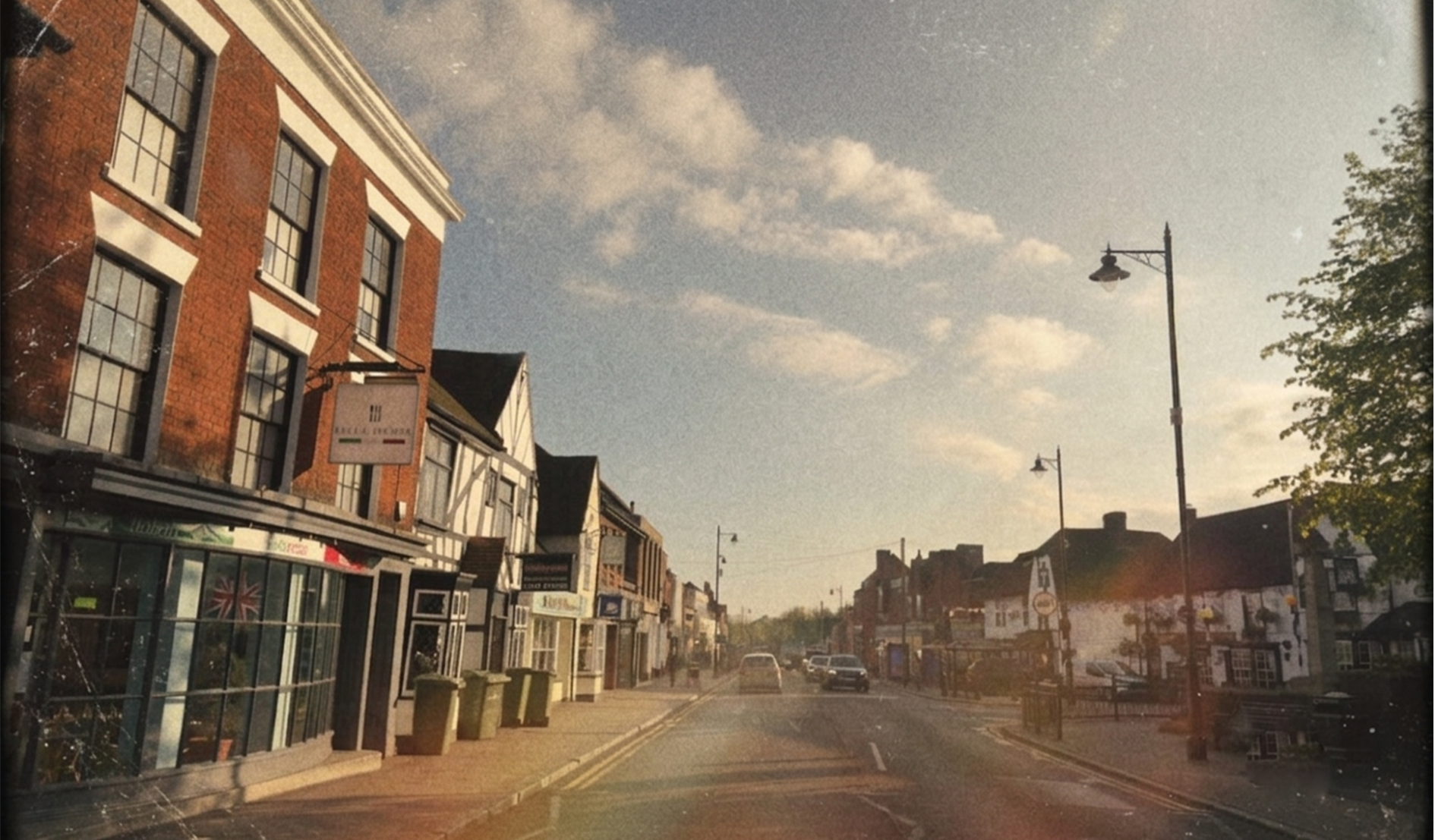
Because it sat perfectly on a ridge at an important crossroads between the River Thames and Chelmsford, Billericay quickly flourished as a commercial market town. During the 13th and 14th centuries, it became a major staging post for pilgrims traveling to Canterbury. They would frequently stay overnight in the town’s numerous taverns before heading south to cross the Thames at Tilbury, which explains why the High Street historic core developed a remarkably high concentration of inns.
Billericay’s most dramatic medieval moment occurred during the Peasants' Revolt of 1381. After rising up against the heavy poll taxes of King Richard II, a large contingent of Essex rebels fled into Norsey Wood. On June 28, 1381, the King’s army tracked them down, resulting in a bloody battle where over 500 rebels were killed, effectively breaking the back of the entire uprising.
Religious Dissension and the Mayflower
By the Tudor period, Billericay had gained a fierce reputation for religious nonconformity. During the reign of Queen Mary I, several local residents were severely tortured or burned at the stake for their Protestant faith—most notably a local linen draper named Thomas Watts, who was executed in 1555.
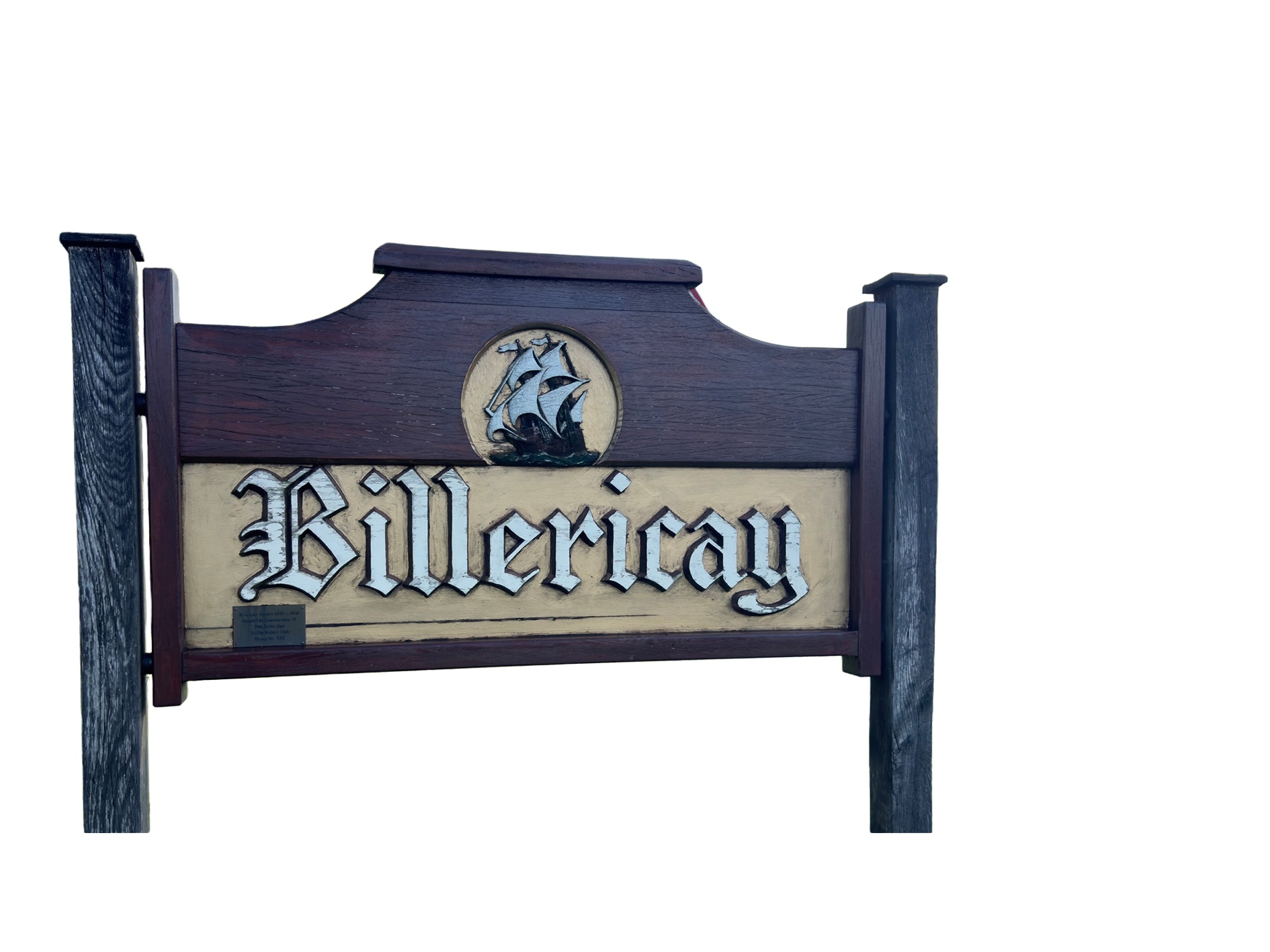
This deep-rooted Puritan and Separatist streak directly connected Billericay to global history. In 1620, several prominent locals boarded the Mayflower to sail to the New World. Among them was Christopher Martin, a local merchant and former Great Burstead churchwarden who served as the Mayflower’s official treasurer and ship’s governor. While Martin and his family unfortunately perished during the brutal first winter in America, later waves of settlers from the area successfully founded the sister town of Billerica, Massachusetts, in 1655.
Georgian Elegance to the Railway Era
During the 18th century, the town quieted down but grew highly prosperous from the agricultural and wool trades. The High Street was transformed as many beautiful, grand Georgian townhouses were constructed. Buildings like Burghsted Lodge (which still stands today) were built during this era, though many other timber-framed Tudor structures simply had elegant Georgian or Victorian brick facades built right over them.
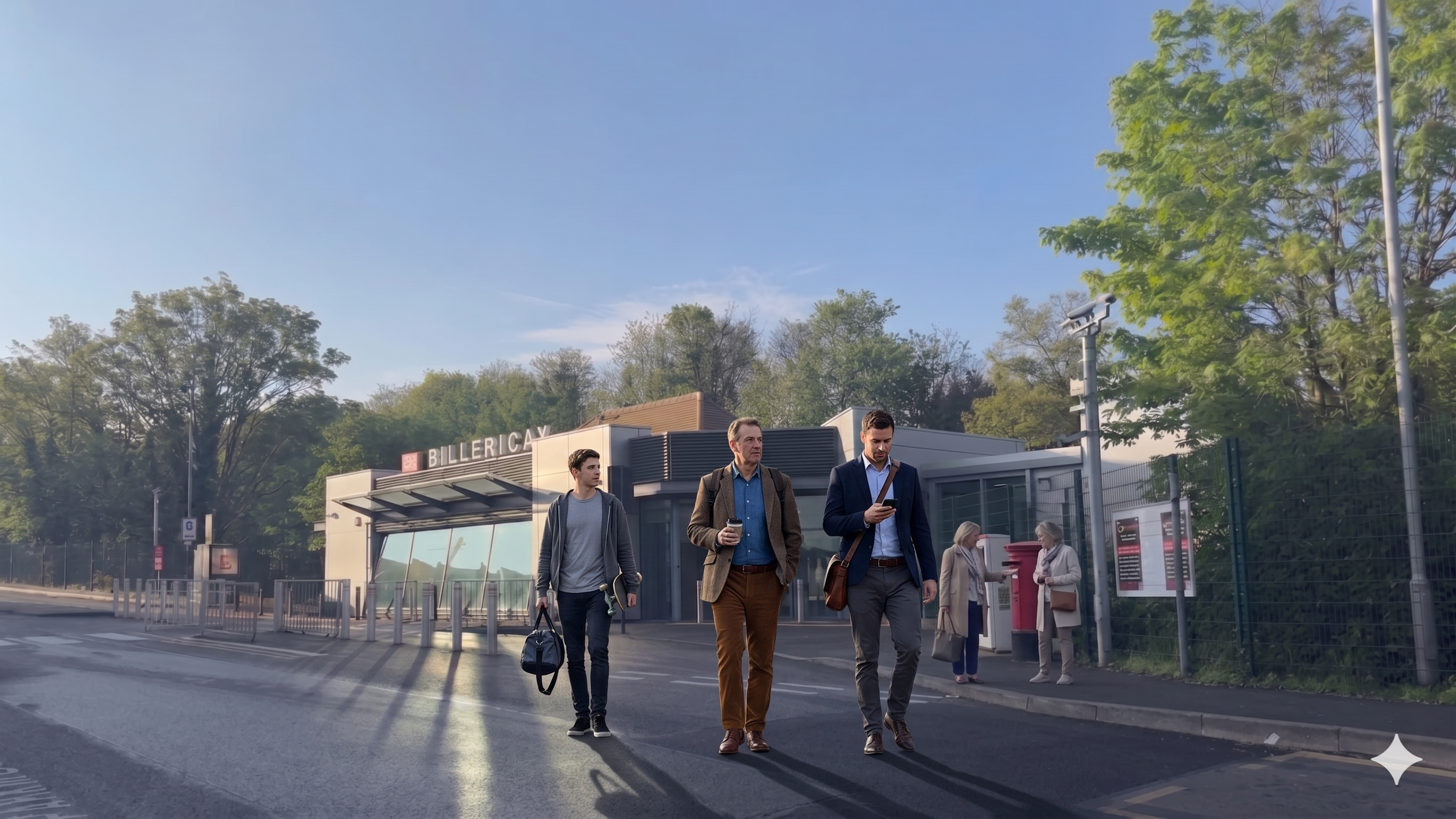
The defining moment for modern Billericay was the arrival of the Great Eastern Railway in 1889. Being placed on the direct line between London Liverpool Street and Southend-on-Sea transformed the historic market town into an easily accessible destination, laying the groundwork for its growth over the 20th century into the highly sought-after commuter town it is today.